
What is Platelet-Rich Plasma (PRP)?
Platelet-Rich Plasma (PRP) is an autologous concentrate obtained from the patient’s own blood, in which the platelet concentration is increased above normal physiological levels. These platelets contain alpha granules that release growth factors involved in tissue repair and regeneration.
PRP is widely used in regenerative medicine, particularly in:
- Orthopaedics and sports medicine: Treatment of tendinopathies, ligament injuries, and degenerative joint conditions.
- Dermatology: Support in wound healing, scar revision, and skin rejuvenation protocols.
- Trichology (hair restoration): Adjunct therapy in androgenetic alopecia and hair density improvement protocols.
- Regenerative procedures: Support in treatment of arthrosis.
- Aesthetic medicine: Improvement of skin texture, elasticity, and regenerative stimulation.
Its therapeutic effect is based on the local release of platelet-derived growth factors that modulate tissue repair and regeneration processes.

*Daily living activities
How PRP Works: Mechanism of Action
The biological activity of PRP is primarily mediated by platelet activation and subsequent release of growth factors.
Once injected into the target issue, PRP may contribute to:
- Modulation of inflammatory response
- Collagen synthesis
- Cellular recruitment and tissue repair signaling
These processes are highly dependent on platelet integrity, concentration, and activation capacity.
Who might need PRP treatment?
Tissue Regeneration
People with damage, weakened or aging tissues may benefit from PRP treatment. It can help support the natural regeneration of skin, muscles, tendons or other tissues after injury, stress or aging.
Cellular Repair
PRP may be suitable for individuals who need to stimulate cellular repair processes. The growth factors present in platelet-rich plasma help support the repair and recovery of damaged cells.
Angiogenesis
Patients who need improved blood supply and healing in a specific area may benefit from PRP. The treatment can promote angiogenesis, which is the formation of new blood vessels that carry oxygen and nutrients to tissues.
Modulation of Inflammation
PRP can also be helpful for people experiencing chronic inflammation or discomfort. By helping regulate the inflammatory response, PRP may support recovery and improve overall tissue health.
PRP treatment is commonly used in aesthetic medicine, sports medicine, gynecology and regenerative therapies as a minimally invasive option to support the body’s own healing abilities.
Summary explanation from our experts about PRP treatments
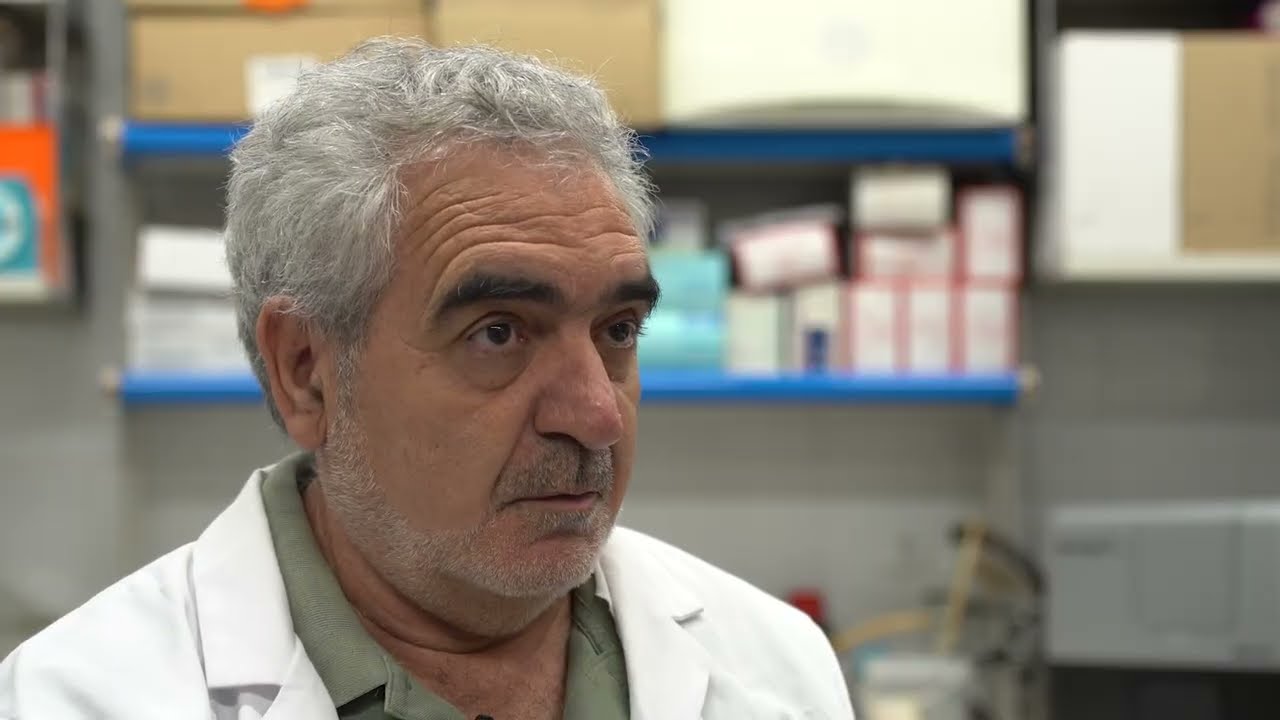
In the following video, our clinical expert provides a clear overview of Platelet-Rich Plasma (PRP) Therapy. They explain its biological basis, mechanisms of actions, and its role within medicine components, helping to contextualize the usage of PRP Therapy.
Contact our team to receive technical information, clinical materials, and details on how PRP PROFACTOR® can support PRP-based treatments in your practice.